Identity and authorization workflows
Support role requests, approvals, reviews, segregation, and traceable access changes around your operating model.
Custom security software application development
Create a focused application for access, review, evidence, alerts, or security operations when generic tools cannot support the workflow or integration boundary you need.
PhaneLabs begins with threats, users, data, responsibilities, and consequences. Security claims are scoped to the product and must be validated, not added as generic badges.

Where custom development can help
Existing security products should be evaluated first. Custom development is most defensible when a unique integration, evidence process, operational journey, or ownership requirement remains unresolved.
Support role requests, approvals, reviews, segregation, and traceable access changes around your operating model.
Collect and present relevant activity, approvals, exceptions, and records for internal review.
Connect alerts, triage, ownership, investigation notes, and escalation where existing tooling leaves costly gaps.
Safeguards before features
Identify assets, actors, entry points, dependencies, abuse cases, and responsibilities before selecting controls.
Define roles and sensitive actions explicitly, including administrative paths and review expectations.
Plan logs, evidence, alerts, retention, and authorized review without claiming that logging alone guarantees compliance.
Use appropriate code review, security testing, and external assessment based on consequence and contractual needs.
Credibility through boundaries
Software can be engineered toward defined requirements, but no page should promise universal security or compliance. Certification, regulatory approval, and organizational controls may require the client’s specialists and independent assessors.
We document assumptions, agreed controls, known dependencies, validation activities, and responsibilities so stakeholders can evaluate the work on evidence rather than slogans.
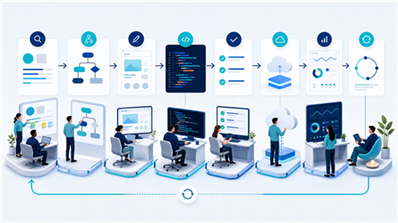
Risk-led delivery
Define assets, users, threats, data, obligations, boundaries, and accountable stakeholders.
Model sensitive journeys, controls, failure behavior, evidence, and recovery expectations.
Review implementation and test according to the agreed threat and consequence profile.
Handover monitoring, incident, update, access-review, and change responsibilities clearly.
PhaneLabs models trust boundaries, permissions, failure paths, and operational ownership as part of the product workflow.
Questions to resolve early
No. Custom development gives control over design and integration, but security depends on requirements, implementation, validation, operation, dependencies, and ongoing maintenance.
No universal guarantee is appropriate. We can engineer toward agreed technical requirements and support evidence, while legal interpretation, certification, and formal approval remain with qualified stakeholders and assessors.
Potential integrations are assessed against available APIs, authentication, data, failure behavior, rate limits, licensing, and vendor constraints before they are promised.
Start with the risk and workflow
Share the users, sensitive actions, systems, evidence, and consequences involved. We will help determine whether custom development is a proportionate path.